
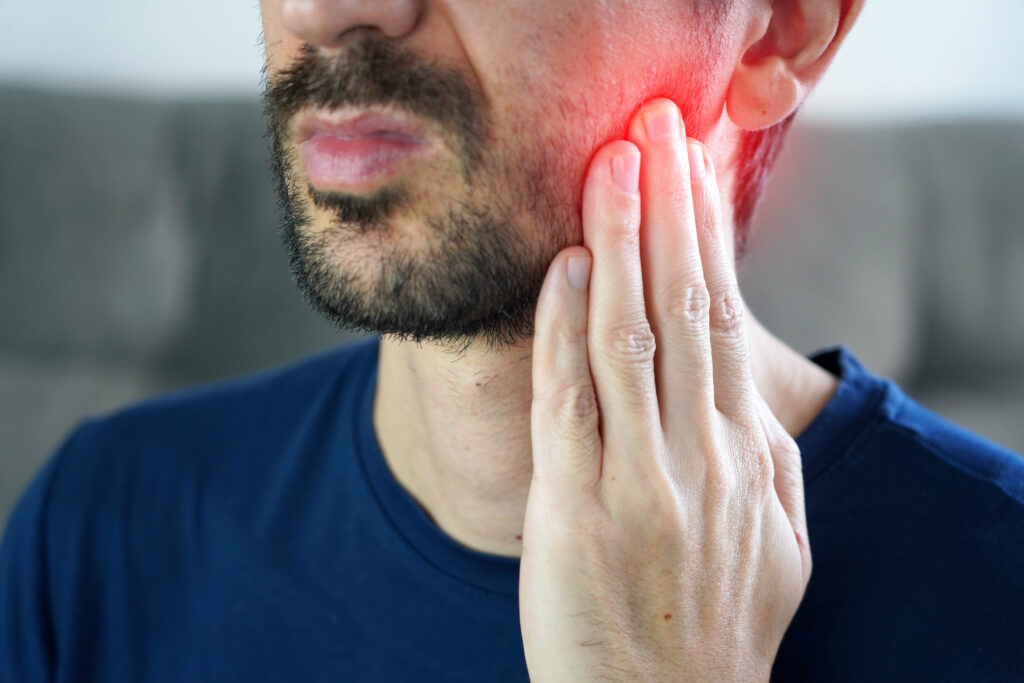
Jaw Pain Treatment in AECS Layout
Jaw pain can turn simple things like eating, talking or yawning into a struggle. If you are looking for jaw pain treatment in AECS Layout, you are not alone. Many people in Brookefield, ITPL, Kundanahalli and the surrounding neighbourhoods live with a sore, clicking or stiff jaw for months before they seek help, often assuming it will pass on its own.
Sometimes it does. But persistent jaw pain is usually a signal that something needs attention, whether it is a problem with the jaw joint, a damaged tooth, gum infection or a habit such as teeth grinding. The sooner the cause is found, the simpler the treatment tends to be.
In this guide, we explain what causes jaw pain, which symptoms to watch for, what you can try at home, and how a dentist diagnoses and treats it. We also answer the questions patients ask us most often. If you would rather talk to someone now, you can contact Ivory Dental or book an appointment online.
What Is Jaw Pain?
Jaw pain is any ache, soreness, tightness or sharp discomfort in or around the jaw. It may sit in front of the ear, along the jawbone, near the chin, or spread to the cheek, temple and neck. It can be constant or come and go, and it often gets worse when you chew, yawn or open your mouth wide.
The jaw is connected to the skull by two small joints called the temporomandibular joints (TMJ), one on each side. Together with the surrounding muscles and ligaments, they let you speak, chew and swallow all day long. Because these joints work so hard, they are easily strained, and pain from nearby teeth, gums, ears or sinuses can also be felt in the jaw.
Common Causes of Jaw Pain
Jaw pain has many possible causes, which is why a proper examination matters. These are the ones dentists see most often.
1. Temporomandibular joint disorders (TMD)
Problems with the jaw joint or its muscles are the most common reason for jaw pain. People with TMD often notice clicking, popping or a grating feeling, along with pain near the ear. You can read more about this on our page on TMJ pain treatment.
2. Teeth grinding and clenching (bruxism)
Many people grind or clench their teeth during sleep or when stressed, without realising it. Over time this overloads the jaw muscles and joints, leading to morning jaw ache, headaches and worn teeth.
3. Tooth decay, infection or abscess
A deep cavity or an infected tooth can send pain into the jaw. If the pain is throbbing and linked to one tooth, you may need root canal treatment to save it.
4. Gum disease
Advanced gum infection can cause swelling, tenderness and discomfort that spreads along the jawbone. Our page on treatment of gum diseases using laser explains how this is managed.
5. Impacted wisdom teeth
Wisdom teeth that cannot emerge properly can press on neighbouring teeth and the jawbone, causing pain and swelling at the back of the jaw. Some cases need minor surgical procedures.
6. Injury or fracture
A blow to the face, a fall or a sports injury can bruise, dislocate or fracture the jaw. Prompt fracture diagnosis is important in these cases.
7. Arthritis, sinus problems and other causes
Arthritis can affect the jaw joint, and sinus infections can cause pain in the upper jaw. In rare cases, jaw pain can be linked to heart problems, which is why sudden jaw pain with other symptoms needs urgent care (see below).
Symptoms That Often Come With Jaw Pain
Jaw pain rarely travels alone. Look out for these signs, because they help your dentist narrow down the cause:
- Pain or tenderness in the jaw, face or around the ear
- Clicking, popping or grating when you open or close your mouth
- Difficulty opening your mouth fully, or the jaw feeling stuck or locked
- Pain while chewing, or a bite that feels “off”
- Frequent headaches or earaches with no clear cause
- Facial swelling, a bad taste or fever, which can point to infection
- Worn, chipped or sensitive teeth from grinding
If you struggle to open your mouth wide, our page on trismus explains this condition in more detail.
Home Remedies and Self-Care for Jaw Pain
For mild, short-term jaw pain, a few simple steps can bring relief while you arrange a dental check-up. These measures ease symptoms but do not fix the underlying cause.
- Eat soft foods. Choose soups, khichdi, curd rice, bananas and mashed vegetables for a few days. Avoid chewy foods such as chewing gum, tough meat and raw carrots.
- Apply heat or ice. A warm compress for 10 to 15 minutes can relax tight muscles. A cold pack wrapped in a cloth can help if there is swelling or a recent injury.
- Avoid wide opening. Take small bites and limit big yawns or shouting.
- Rest your jaw. Keep your teeth slightly apart and your tongue resting gently on the roof of your mouth. Teeth should only touch when you chew.
- Gentle massage. Light circular massage over the sore muscles in front of the ear may ease tension.
- Manage stress. Deep breathing, walking or stretching can reduce clenching, especially if work pressure is a trigger.
- Over-the-counter pain relief. Follow the label, and check with a doctor or pharmacist first if you have other health conditions or take other medicines.
If the pain does not settle within a week or two, or keeps returning, a dental assessment is the next step.
When Should You See a Dentist for Jaw Pain?
Book a dental visit if you notice any of the following:
- Jaw pain lasting more than a week or recurring often
- Clicking or popping with pain
- Trouble chewing, speaking or opening your mouth
- Morning jaw stiffness or headaches, which may suggest night-time grinding
- Pain with a toothache, swollen gums or a bad taste
- A jaw that locks open or closed
Seek urgent medical help immediately if jaw pain comes on suddenly with chest pain or pressure, shortness of breath, sweating, nausea or pain spreading to the arm or shoulder, as these can signal a heart problem. Also go to an emergency department after a facial injury, or if you have facial swelling that makes breathing or swallowing difficult.
For non-emergency dental problems, early care usually means simpler, more comfortable treatment.
Jaw Pain Treatment Options at Ivory Dental
Treatment depends entirely on the cause, so the first step is a careful diagnosis. At Ivory Dental in AECS Layout, this usually begins with a discussion of your symptoms and habits, a physical check of your jaw movement, bite and muscles, and dental imaging where needed. Our clinic uses world-class technology to help get an accurate picture before any treatment is planned.
Depending on what is found, your dentist may recommend one or more of the following:
- TMJ and muscle pain management. This may include jaw exercises, bite-related advice and a plan to reduce strain on the joint. See our TMJ pain treatment page for details.
- Night guards or splints. If grinding is the cause, a custom-fitted guard worn at night can protect your teeth and reduce pressure on the jaw.
- Laser-assisted pain relief. Laser therapy may be used to reduce discomfort and support tissue healing. Read more about pain reduction using laser and laser tissue healing and regeneration.
- Treating the source tooth. Decay or infection is treated with fillings or root canal treatment, so the pain does not return.
- Gum treatment. If gum disease is involved, deep cleaning and scaling can calm inflammation.
- Bite correction and restorations. Missing or misaligned teeth can overload the jaw. Options may include implant dentistry, crowns, or orthodontic treatment.
- Minor oral surgery. Impacted wisdom teeth or other problems may need minor surgical procedures.
Your dentist will explain each option, the likely outcome and the cost before you decide. Not every case needs a procedure, and many people improve with conservative care.
How to Prevent Jaw Pain
You cannot prevent every cause, but healthy habits lower the risk:
- Avoid chewing gum, ice, pen caps and nails
- Do not clench your teeth during the day; check in with your jaw now and then
- Find ways to unwind in the evening, since stress and clenching often go together
- Keep good oral hygiene and book preventive dental check-ups every six months so cavities and gum problems are caught early
- Use a mouthguard for contact sports
- Replace missing teeth so your bite stays balanced
- Keep your head and neck posture in mind when working at a desk or looking at a phone for long periods
Why Choose Ivory Dental for Jaw Pain in AECS Layout?
Ivory Dental Solutions is located at #575, C Block, AECS Layout, ITPL Main Road, Kundanahalli, Brookefield, Bengaluru 560037, which makes it easy to reach for anyone living or working around AECS Layout, ITPL and Brookefield.
Here is what patients can expect:
- A team of specialists. Our doctors include a maxillofacial prosthodontist and implantologist, an oral physician and radiologist, cosmetic dentists and general dentists, led by clinical director Dr. Ramya M.P.
- Whole-mouth thinking. Jaw pain often involves teeth, gums and bite together, and we look at all of them rather than treating one symptom.
- Modern, comfortable care. Advanced technology and a gentle approach help keep visits stress-free.
- Care for the whole family. From child care dentistry to geriatric dentistry, we treat patients of every age.
You can learn more about us on the About Ivory Dental page or browse our full range of dental services.
Frequently Asked Questions About Jaw Pain
What causes jaw pain on one side only?
One-sided jaw pain is often caused by a problem on that side, such as an infected or decayed tooth, an impacted wisdom tooth, or strain in one jaw joint from chewing mostly on one side. A dental examination can identify the exact cause.
Is jaw pain a sign of a heart attack?
It can be, although this is much less common than dental causes. If jaw pain appears suddenly with chest discomfort, shortness of breath, sweating, nausea or pain in the arm, get emergency medical help right away instead of waiting for a dental appointment.
Which dentist should I see for jaw pain in AECS Layout?
A general dentist is a good first stop, since most jaw pain has a dental or joint cause. At Ivory Dental in AECS Layout, you can book an appointment and your dentist will assess the problem and involve a specialist if needed.
How long does jaw pain last?
Mild strain from a hard meal or a long yawn often settles in a few days. Pain that lasts more than one to two weeks, keeps returning, or comes with clicking or locking should be examined.
Can stress cause jaw pain?
Yes. Stress often leads to clenching and grinding, especially at night, which tires the jaw muscles and can trigger TMJ pain. Managing stress and wearing a custom night guard when advised can help.
Is jaw clicking dangerous?
Jaw clicking without pain is common and often harmless. If clicking comes with pain, limited movement or locking, get it checked.
Can teeth grinding be treated?
Yes. Treatment may include a custom night guard, correcting bite problems, and managing stress. Your dentist will recommend what suits you after an examination.
Do I need surgery for jaw pain?
Most people do not. Many cases improve with conservative care such as rest, exercises, splints and treating the underlying dental problem. Surgery is considered only for specific cases, such as impacted wisdom teeth or certain jaw injuries.
Can bad teeth or gum disease cause jaw pain?
Yes. Infections and inflammation from teeth and gums can spread discomfort to the jaw. Treating the source, for example with a root canal or gum therapy, usually relieves the pain.
How do I book a jaw pain consultation at Ivory Dental?
You can book online, call +91 99017 68033 or +91 99006 66465, or visit us at AECS Layout, Brookefield. You can also use our contact page.
Final Thoughts: Don’t Ignore Jaw Pain
Jaw pain is common, and in many cases it is treatable once the cause is found. Whether it comes from a stressed jaw joint, night-time grinding, a damaged tooth or something else, the right diagnosis is the key to lasting relief.
If you are searching for jaw pain treatment in AECS Layout, the team at Ivory Dental is ready to help. Book your appointment today, or call +91 99017 68033 to speak with our team.
This article is for general information and is not a substitute for professional medical or dental advice. Please consult a qualified dentist or doctor about your own symptoms.